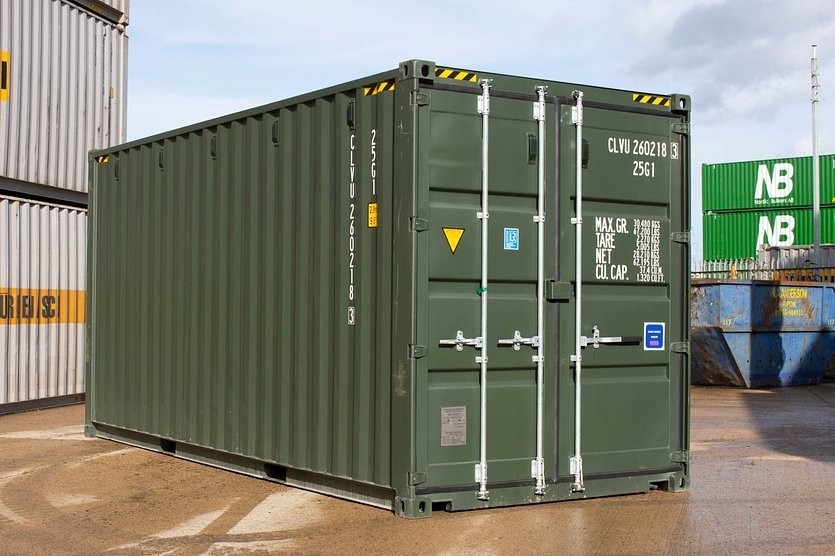
Modular Buildings Containers
Modular buildings containers are made to meet the specific requirements of every project. They can be constructed in a factory, then delivered to the construction site, ready to be installed. This can reduce the amount of time needed to finish a building and minimizes onsite waste.
They can be used to construct various other structures such as hospitals and offices. They have been successfully utilized to solve a variety of issues, like housing shortages during epidemics.
Cost-Effectiveness
Modular buildings are a cost-effective solution for a variety of business needs. The buildings are built off-site, then assembled on-site, saving money in labour costs. The modular construction process also helps companies reduce costs by reducing waste. It also reduces the number of construction workers required on the job and allows a quicker completion of the project.
The modular construction method is faster and safer than traditional methods. It also prevents delays due to weather and other factors. In addition, it reduces the chance of mechanic's liens, which could occur when a contractor has not been paid for their services. This makes it easier for companies to obtain financing, and helps them meet their deadlines more efficiently.
Shipping containers are among the most well-known building blocks for modular structures. They are available in a variety of sizes and are adapted to meet the specific requirements of each project. For example they can be fitted with windows, HVAC units and insulation, making them suitable for offices as well as homes. They are also transportable and therefore a good option for projects that require frequent transportation.
Modular containers for building can be used in all climates. The manufacturing process ensures that the structure is insulated and has additional strength for tough conditions. This means that the structure will be more able to withstand extreme cold and heat and also have better fire resistance.
Additionally, changing shipping containers is more sustainable than traditional construction. The materials used in the modification process are recycled and upcycled, reducing the necessity for new resources. Offices And Studios Containers reduces waste and is in line with corporate social responsibility (CSR) and sustainability goals.
One issue with modular structures is the lack of consistency between manufacturers. They are made to order and therefore it is essential that buyers conduct a thorough search before selecting a builder. This will help buyers avoid problems like inadequate workmanship or a flawed design. In addition, it is essential to communicate with the manufacturer throughout the process. This will ensure that everyone is aware of the schedule and are able to alter it if necessary.
Flexibility
Modular construction has become an alternative to traditional building techniques and is now an increasingly popular option for a variety of businesses. It is able to reduce the time it takes to construct, save money and enable faster turnaround than traditional methods. It is also environmentally friendly and sustainable, utilizing recycled materials and avoiding waste. This method is particularly useful in transferring equipment or workers to different areas on an area and is able to be used to serve a variety of needs.
Containerized modular building are constructed from shipping containers that are joined vertically or horizontally. They can be used for office space, clinics and dormitories, among other things. The containers can be configured to meet your requirements, and then delivered to the construction site ready for use. These structures are simple to build and designed to withstand harsh environments. They can be easily moved and reused, which reduces the need to build new structures on the site.
Modular construction of shipping containers is a rising trend in the building industry, offering efficiency, sustainability and cost-effectiveness. Numerous companies are using this technique to build everything from food trucks to office buildings. This method is fairly new and requires careful planning. The biggest challenge is ensuring that the design meets all the requirements and is structurally sound.
The modular construction method permits a quicker turnaround and is less disruptive than traditional building methods. The modules are shipped from the factory to the construction site in flatpacks or as profiles, and then constructed on-site by skilled technicians. This technique can also cut down on the necessity for excavation and foundation work which allows construction to be completed faster.
By adding insulation, HVAC units and windows to the shipping container, it can be converted into a modular workplace. The result is a cozy and practical office space that is full of light and airflow. The container can also be powder-coated with corporate colors to create an attractive and striking exterior. This can help brand the building and attract customers. Shipping containers are versatile and can be used for exhibition booths, retail pop-up stores or offices.
Durability
The strength of modular building containers makes them an ideal choice for housing and offices. They are designed to endure multiple relocations and assembly and are suitable for use in harsh conditions with high winds or seismic activity. They also resist flooding and can be positioned on concrete foundations or stilts to avoid water damage. They can also be made highly customizable, with a wide range of windows, doors and insulation options.
Additionally, these buildings are easy to clean and require minimal maintenance. Modular construction provides a quicker build time than traditional methods, and the prefabrication process takes place in a controlled setting. They don't make use of roof shingles so there's no need to worry about pests or termites. Steel construction makes them more durable than traditional structures.
Modular shipping containers are an increasingly popular choice for construction due to their long-lasting durability and affordability. They can be used to construct office spaces, living spaces, and even mobile schools. They can be stacked and joined together to create large structures, or used as individual units. Because they are constructed of prefabricated components, modular buildings can be adapted to meet particular requirements.
The benefits of modular construction include savings in schedule and cost as well as improved safety and working conditions, less local environmental impacts and energy savings. They are also ideal for remote areas where it is difficult to locate traditional builders and materials. Modular construction comes with some drawbacks. For instance, it may not be appropriate for certain projects, like commercial or residential construction.
Furthermore, some companies offering modular construction services may provide inferior-quality components that degrade quickly. It is essential to choose an organization with a wealth of experience and top-quality construction materials. This will ensure the quality of your modular building as well as its durability.
Modular construction made of shipping containers is a novel approach to building. Businesses can save money and gain an competitive edge by making shipping containers offices. Despite these challenges, modular construction has gained significant acceptance from engineers and architects.
Sustainability
Modular buildings are eco-friendly and show how intelligent design can support global efforts to safeguard the environment. They use prefabricated components and are built in factories which reduces waste and conserves energy. The sustainable modular building approach also allows for a movable and affordable structure that can be used for different purposes.
Modular construction is the process of assembling standard shipping containers to create school buildings, office buildings, kindergartens and other facilities. The design of the building is based on the client's requirements and incorporates windows and partition walls and electrical and plumbing components. The modules are then transported to the site in flatpack shape or as profiles, and are then assembled by trained technicians. After arriving on site the modules are joined to one another and finished off with flooring, ceilings, and walls.
The modular construction system has the advantage that the majority of the work can be completed in the factory. This removes the need for costly construction workers or large machinery. This lets construction be completed in a controlled manner without causing any disruption to the landscape.
Another way that modular structures are eco-friendly is the recycling of materials such as wood and steel and recycled shipping containers. These containers would have been abandoned at ports if not transformed into modular buildings.
The reduction of carbon dioxide emissions is among the most important aspects to sustainability. Traditional construction uses many large machines and creates a lot of waste, which adds to the carbon footprint. Modular buildings are often constructed in factories and release considerably less carbon dioxide than traditional methods of construction.
Modular construction is an excellent option for businesses who need to expand their offices or relocate them. Modular construction is very flexible, and can be changed or reconfigured without difficulty. The structures can be moved without having to tear them down which means that there is less necessity for raw materials. It is also easy to change the functionality of a modular building by merely removing or adding standardized components. This can help businesses reduce their energy usage and can make them eligible for LEED certification.